Content disclosure: The below post contains discussion of Māori discrimination including the Treaty of Waitangi, as well as images of taxidermy animals.
Since it’s my first time being back in New Zealand since I was 15 months old, I thought it would be a good idea to learn more about New Zealand’s history and culture. Te Papa is New Zealand’s national museum, so it’s the perfect place to immerse oneself in the country’s past, present and future. Even if you already know a bit about New Zealand, you can always learn a little more at museums like this!
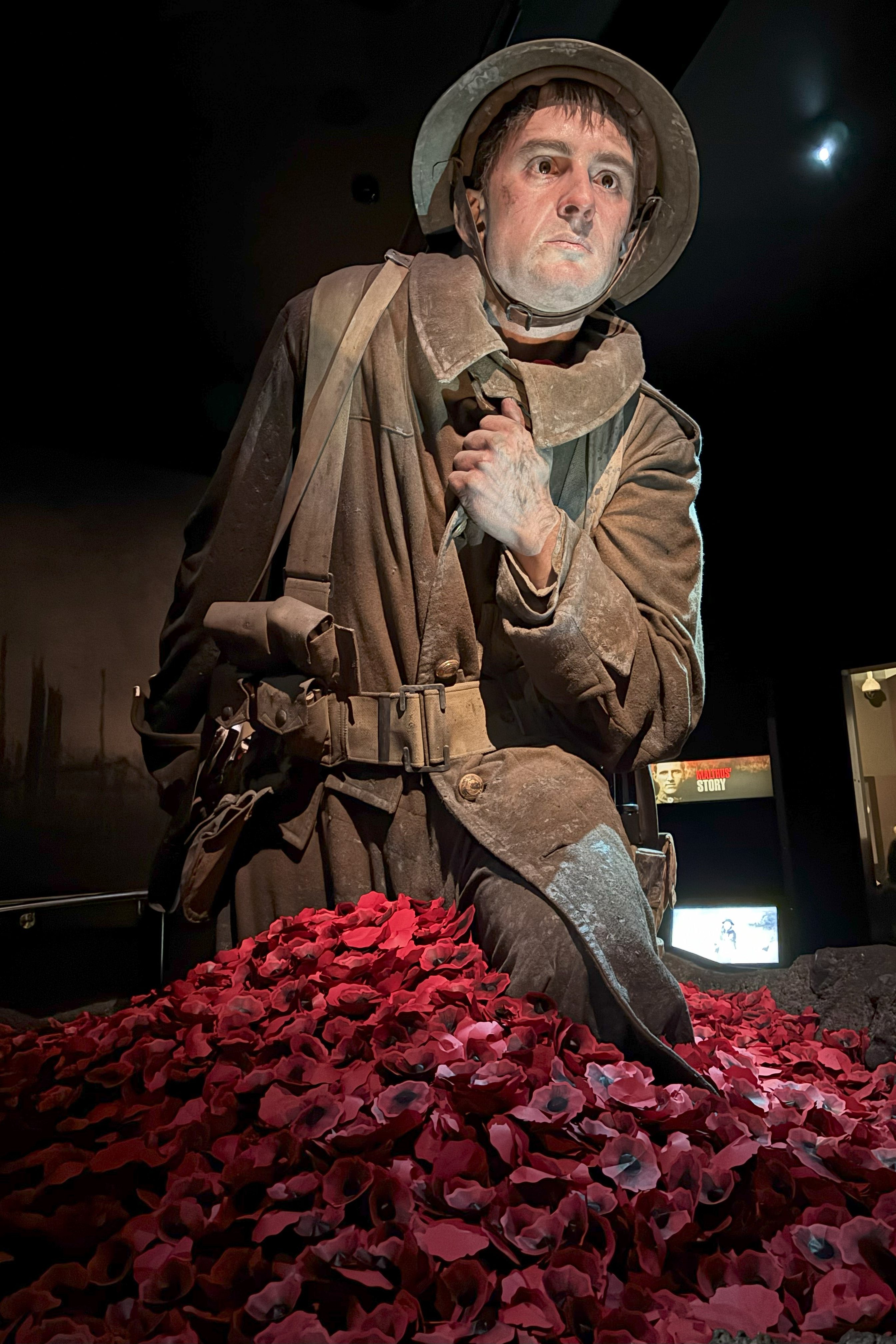
Everyone who lives or was born in New Zealand gets to visit Te Papa for free, so my mum didn’t have to pay like Dad and me. The first exhibition we visited was Gallipoli: The Scale of Our War. Now, being Australian, I’ve learned a lot about the Gallipoli War through school and seen a lot of exhibitions on the topic. But I’ve never really seen New Zealand’s point of view even though we fought on the same side. So I found this a very interesting opportunity whereas other Aussies probably would have overlooked it.
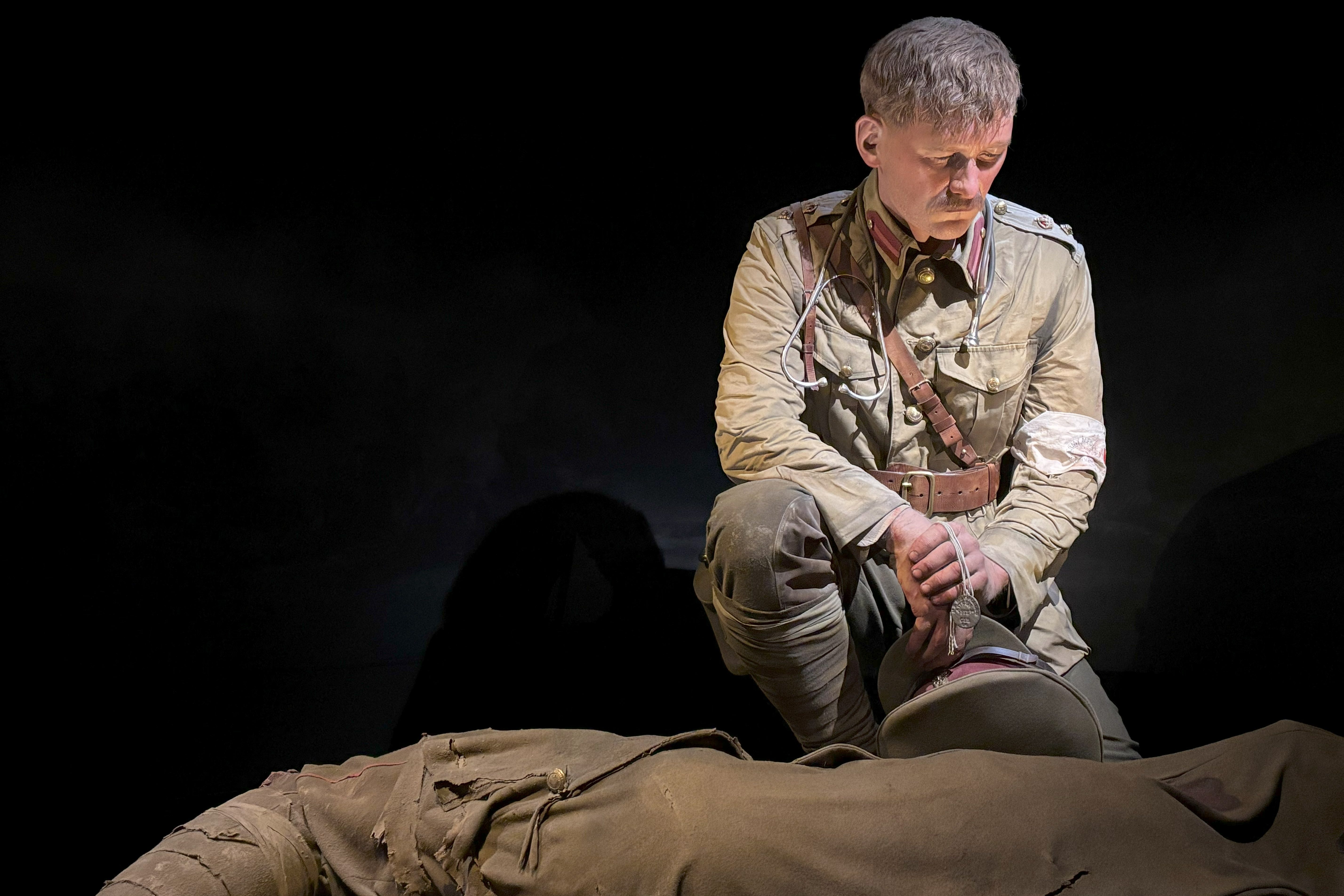
The first thing we saw when we entered the exhibition was a very large-scale model of a man in the midst of battle. The emotion and movement of the figure were incredible, as if it were a real human only bigger. The work that had been done to create such life-like features was also just amazing! There were a few of these figures throughout the exhibit, all of which stood out so greatly with the sadness, grief and fear expressed on each of their faces. Much like Australians, the comradery in New Zealand feels like family. When these men lost their fellow soldiers, they lost their brothers. This is perfectly displayed throughout the exhibit.
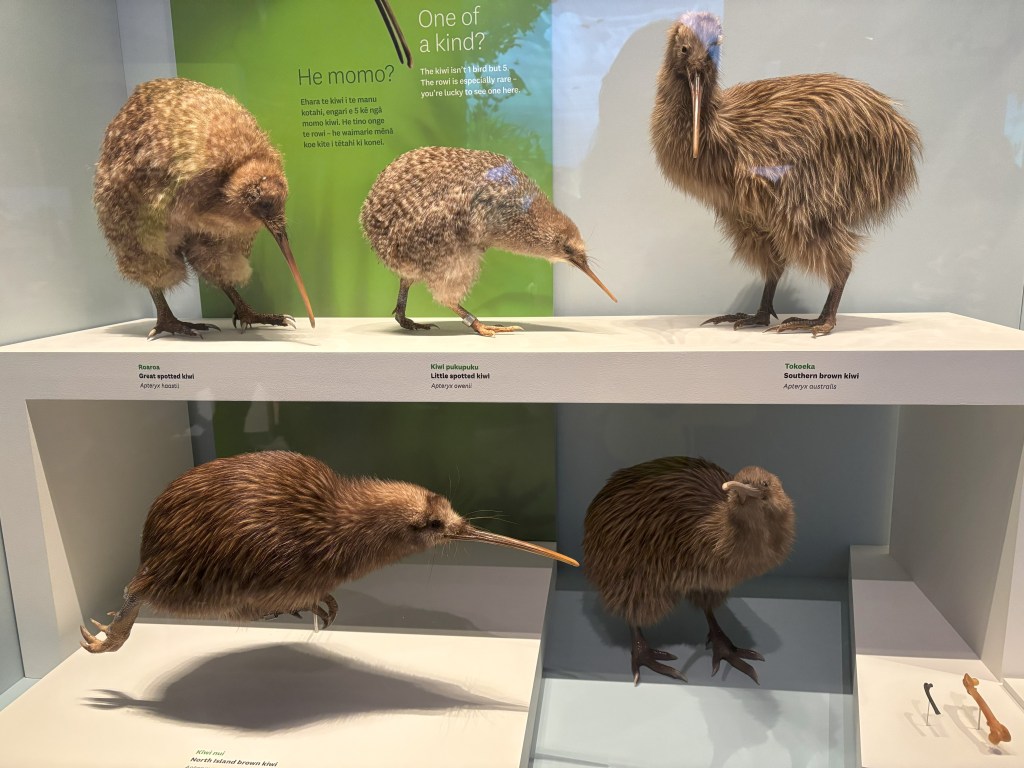
The next exhibit we walked through was Te Taiao – Nature. I couldn’t stop myself from wanting to learn more about New Zealand’s iconic bird, the Kiwi! Did you know there are actually 5 different species of Kiwis in New Zealand? They also have giant land snails! Seeing all the weird and wonderful creatures living in New Zealand, or those that once lived in New Zealand, really allowed me to gain a better connection to the country’s natural environment while I was staying. It also allowed me to identify some of the birds I’ve been seeing everywhere!
The next stop was the Quake House, a simulated experience of a 6.6 magnitude earthquake. I was actually really surprised to see the actress Rachel House in the video before the house began to shake as if we were experiencing an actual earthquake! I’ve never experienced one before, and honestly, after this, I never want to. I know it was all simulated and that we were all perfectly safe, but experiencing this for real would be super scary and a little traumatising. But I think it was important to put ourselves in the shoes of those who have gone through something like this, especially since we’ll be visiting Christchurch soon and seeing the damage that still haunts the region from the 2011 disaster.
Now, we can’t go to a museum in New Zealand without learning about Māori history and culture. We walked through a few Māori exhibits, one that displayed the Treaty of Waitangi, and another that displayed Māori culture through traditional art and lifestyle. The Treaty of Waitangi was New Zealand’s founding document, giving Britain sovereignty over the country in return for the protection of Māori people and culture. British Lieutenant Governor Hobson and around 500 Māori chiefs had signed the document, however, they weren’t agreeing on the same terms. The English document was translated to Māori with a few misunderstandings, meaning the Māori chiefs were not being promised what they thought they were when the document was signed. For example, the English version gives the British Monarchy “sovereignty” (supreme rule over the land), whereas the Māori version states the British only have “governance”. The two versions don’t have the same meaning and this document has been in debate for many years of New Zealand’s history.
Let’s celebrate Maori culture now! The Mana Whenua exhibition displayed so many different Maori artefacts, from traditional canoes and boats, houses and buildings, to modern art and stories. The canoes are absolutely beautiful, adorned with red and white carvings and feathers. The boats were also amazing! It’s incredible to see how much knowledge of sailing and navigation these indigenous people had before the time of modern technology. The traditional Māori houses and buildings may not look like much, but once you take a step closer you can see how much work has gone into the weaving, threading, cutting, as well as gathering all these materials! The Māori people sure are a hard-working group, there’s no denying it.
Learning history is important for any country, but it is especially important for those cultures who have historically been discriminated against as a minority. No one can erase indigenous culture. That’s why museums like Te Papa are so important to diverse countries like New Zealand, so that those living there can understand each other with respect and empathy. We can’t change the past, but we can move forward to a better future.
All photos in this post were taken by me.
For more information, visit https://www.tepapa.govt.nz/

 The Travel Journal
Leave a comment