Disclosure: exploring abandoned buildings can be very dangerous and is not recommended without proper care and safety measures. I am writing this post to share my experience at Aberdare South Colliery. I am in no way encouraging anyone to put themself or others at risk by exploring abandoned places.
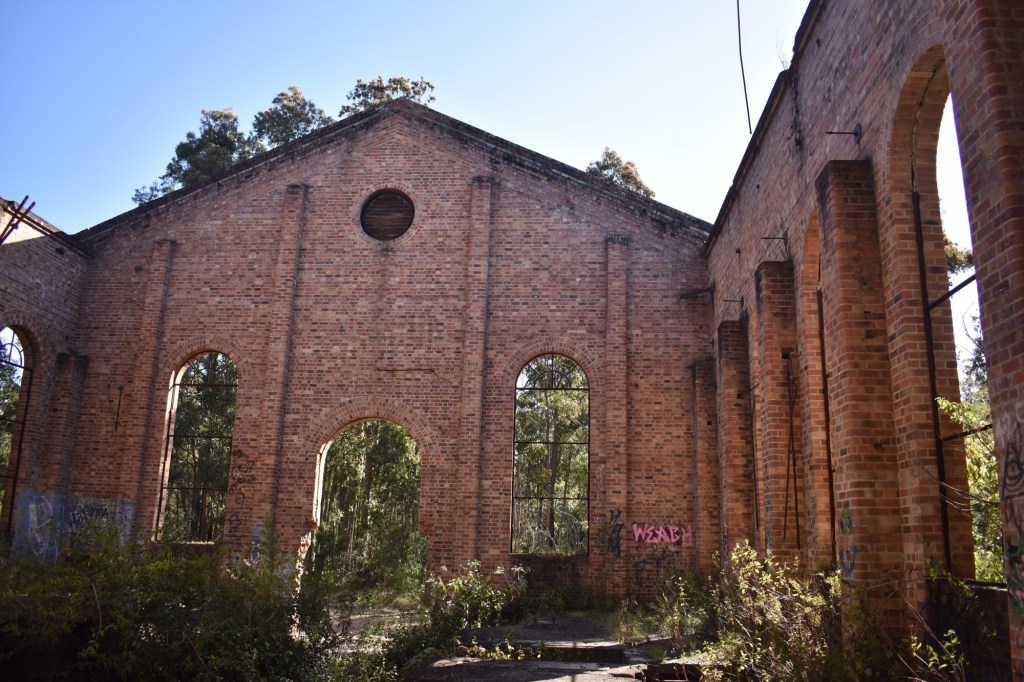
I’ve always wanted to explore abandoned places but never really liked the dangers of it. There’s always a risk of getting seriously injured and I’m not too keen on breaking any laws. I just like seeing how time affects something that was once so important in everyday life. How could something significant be diminished to ruins hidden away by overgrown bush? How could something so beautiful become so lost? It may not be the adrenaline-seeking, daredevil destination those may be looking for, but I was able to go explore an abandoned site in Abernethy New South Wales; Aberdare South Colliery.
Why Was Aberdare South Colliery So Important?
Australia has a long history of coal mining, with the East Coast producing the world’s most valuable coal. It was the country’s first commodity export, being mined by convicts soon after arriving in New South Wales. Coal mining has also been the reason for establishing many small towns in New South Wales, including Newcastle, Lithgow, Cessnock, and Abernethy.
Aberdare South Colliery in Abernethy operated from 1913 to 1927. It had plans to become the largest coal mine in the Hunter region but unfortunately closed after 14 short years of production. There were many reasons for the closure, but in short, there was not enough coal being produced, miners were attending less and less shifts, and the underground pit was prone to flooding, making it a difficult environment to work in. Although it may not look like it now, Aberdare South Colliery is a big part of Maitland’s history and is still important to the surrounding people.
“Follow the Yellow Mud Road!”
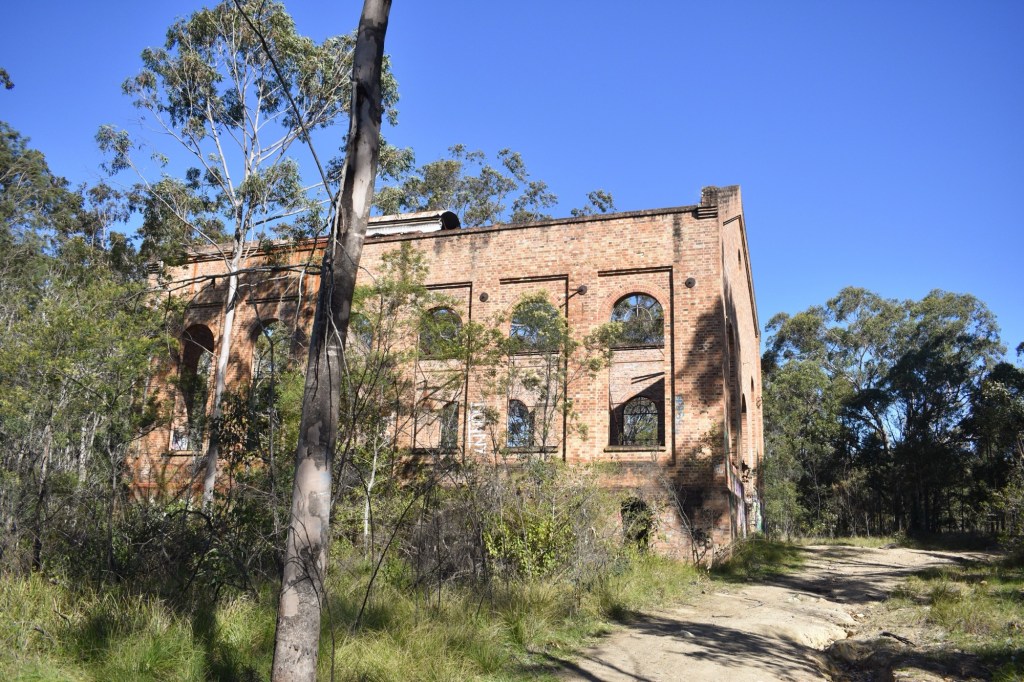
The track to the colliery wasn’t too long, only around 15 minutes. The problem was the mud. Because this track was also used by off-road vehicles, any rain that had fallen over the past week had settled in the tyre tracks. Massive puddles were covering the width of the path, leaving us with no other option than to walk along the side and duck under and around the trees and bushes, getting whacked in the face when someone would walk past a branch. And of course, leave it to me to be the one to land in a puddle of not-yet-dried mud after jumping over a giant dip in the dirt. Good thing I wore my walking shoes.
Once we got to the site of the old colliery I was taken in by all the history. The building is over 100 years old and still standing; though it’s hanging on for dear life. It’s been taken over by the surrounding trees and bushes, and the collapsed floor is all flooded. Half the roof is missing, with the remaining sheets lifting off in strong winds. The only thing left of the colliery is the steel framing and beautiful brickwork.
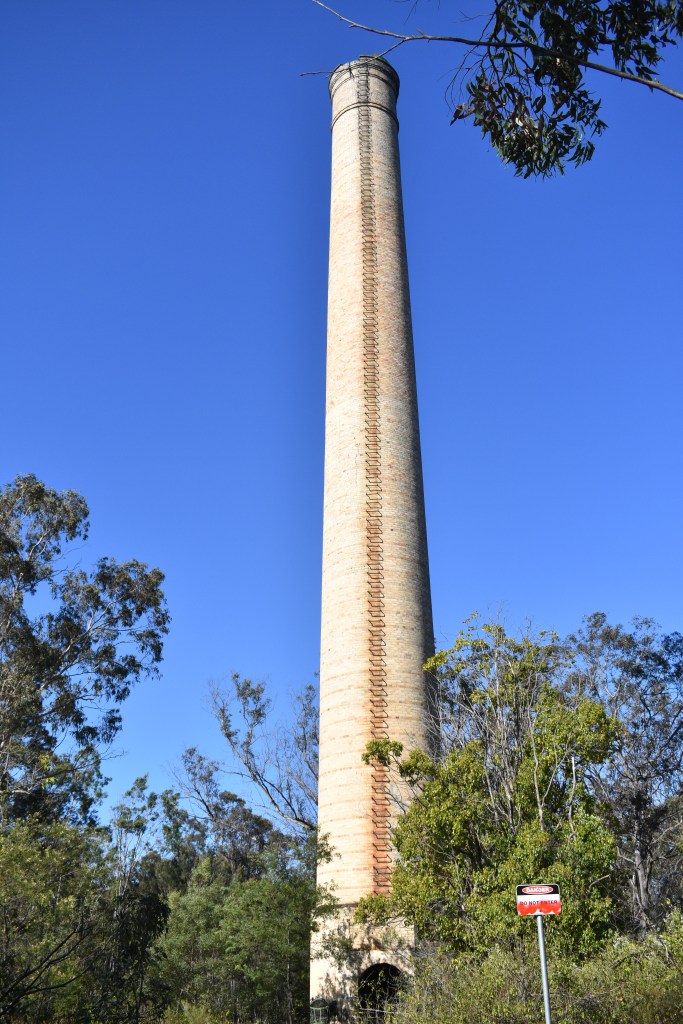
The chimney is, amazingly, still standing after all this time. It looks so much taller in person, being visible over the trees from the other side of the dam. You can walk inside and look all the way up, but I don’t recommend this without the correct shoes on and being extra careful. There was rusted wire and all sorts of junk inside the chimney when we were there. That’s the unfortunate thing about these places; when they’re not protected by national parks or heritage listings, people think they can do whatever they want to the place. There was a lot of junk, trash and broken glass around the area, as well as graffiti on the building. It’s really sad to see a place once so beautiful being ruined by people with respect.
The Winder House at the old colliery site was absolutely stunning, and probably the best subject for photos I’ve come across yet. There is so much colour between the reds of the bricks and steel, the greens of the overgrown plants, and the blue of the Spring sky. For an old mine, the cathedral-style building of the winder house is so beautiful. I didn’t have the bravery to climb up to the floor level of the building to take more photos until my older brother took the first leap. For some reason, he gives me the confidence to do what I really want to, plus he’s my brother so I have to do what he does. It’s younger sibling law.
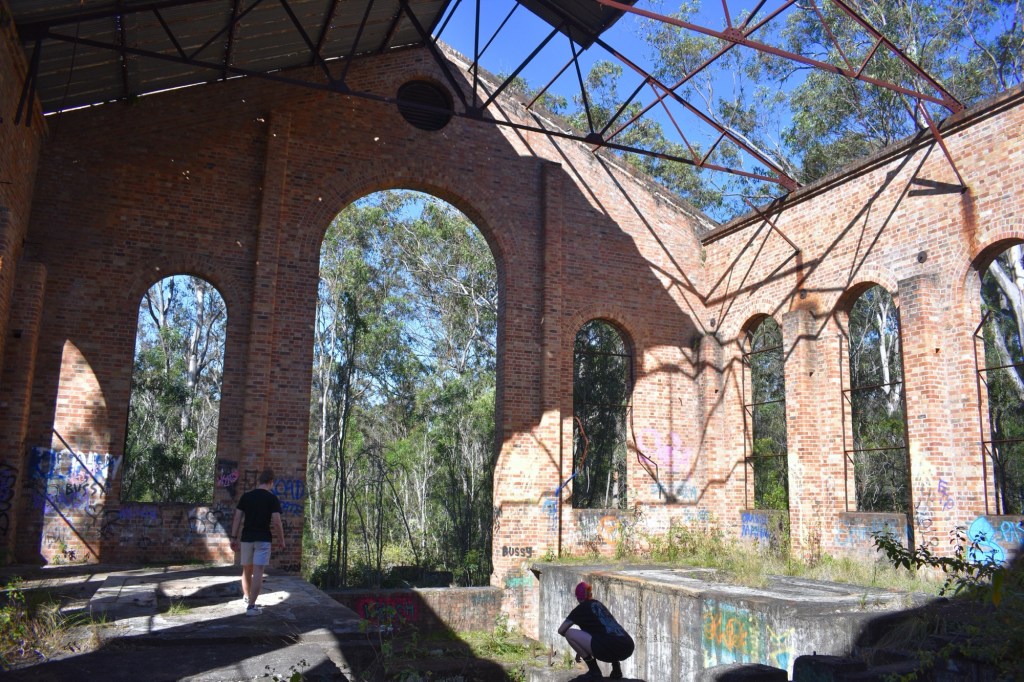
Now, although I took some amazing photos and had a lot of fun with my family, I wouldn’t recommend this adventure to everyone. Obviously exploring abandoned places can be very dangerous. The building was clearly unstable due to the structural decay, and there were a lot of sharp objects that could easily cut someone if they weren’t careful. The surrounding area and track to the building are also the perfect hiding place for snakes. As we were looking around the outside of the building and the surrounding mine shafts, my brother’s partner and I heard a rustling in a close bush that we could only think to be a snake. So this place definitely isn’t for everyone.
Overall it was really fun to live out my “dangerous” dream of being an abandoned building explorer. It was also nice to do it with my family including my brother and his partner since they’ve moved out and we don’t get to see them as often as we used to. I’m always trying to find different things to do for this blog that aren’t the typical holiday destinations, and Aberdare South Colliery would definitely be one of these special places.
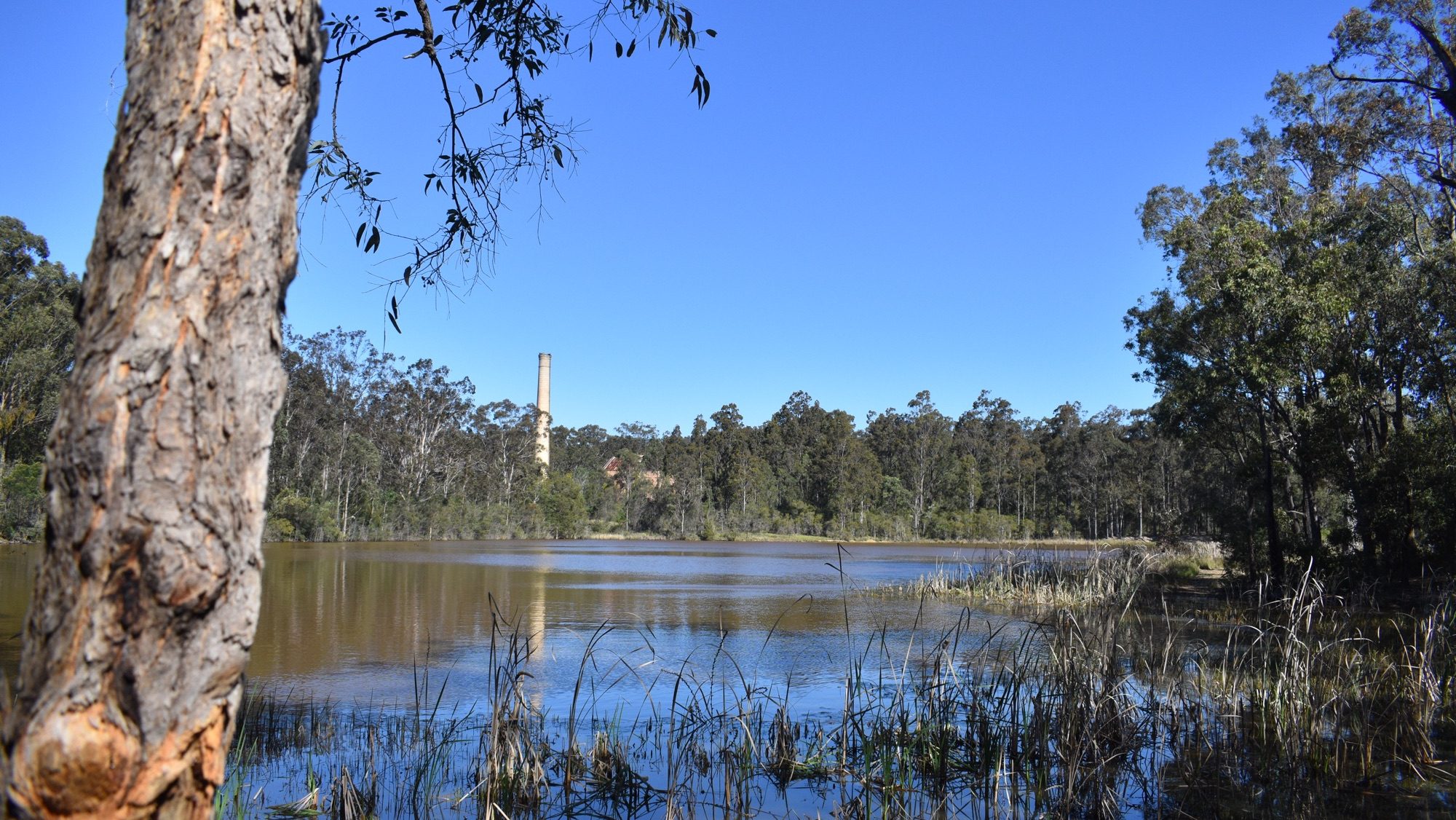
All photos in this post were taken by me.
For more information, the resources I used to research and write about the history of Aberdare South Colliery and mining in Australia are below.
https://nswmining.com.au/mining-in-nsw/mining-history/
https://www.newcastleherald.com.au/story/7551053/big-dreams-for-mine-sunk-in-siberia/?msg=login
https://www.newcastleherald.com.au/story/7604395/return-to-the-pit-known-as-siberia/

 The Travel Journal
Leave a comment