Grossmann House is a beautiful Victorian property in Maitland, New South Wales that has been restored to encapsulate the atmosphere of the time. I’d never heard about this museum before, but when my parents told me they were seeing a house from the Victorian era, I couldn’t pass up the opportunity. I love learning about the past. From fashion, cultural practices, and even weird laws and expectations, human history just piques my interest. And being able to step inside this history for a day wasn’t something I was going to say no to. So, I packed my bag and my camera, and we were off!
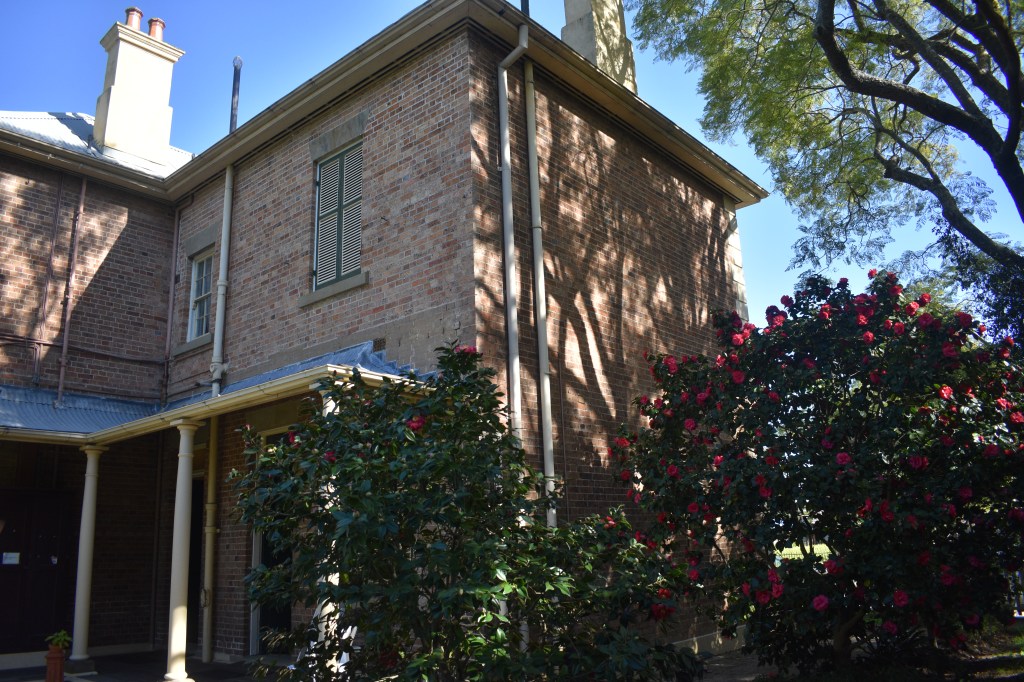
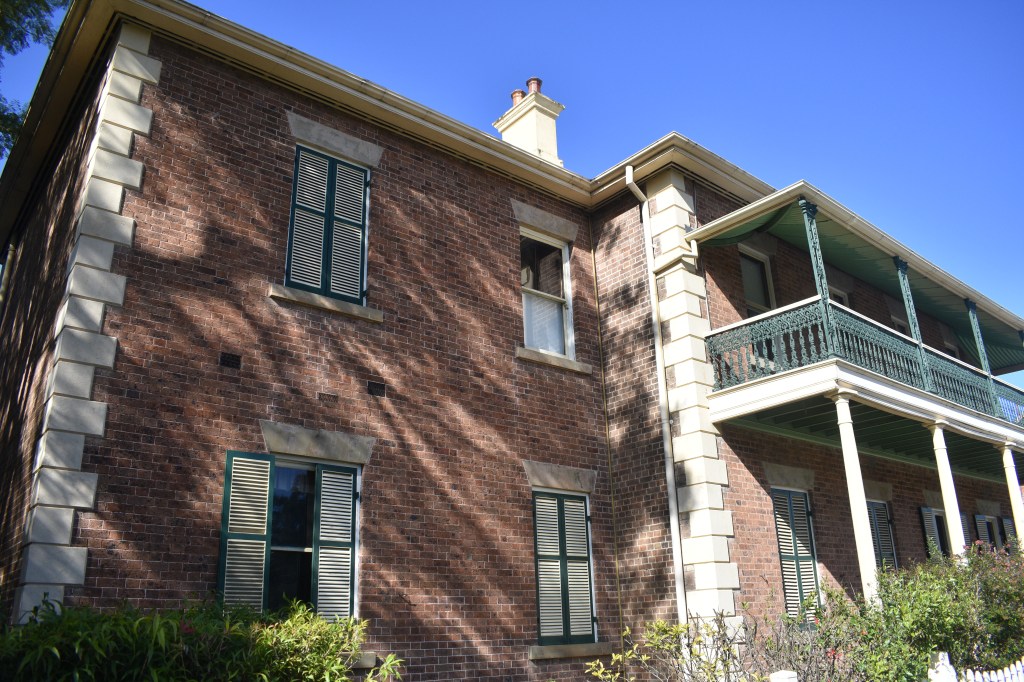
Grossmann House was originally built in 1870 as a home for the wealthy merchant Isaac Beckett and his wife. A mirror-image house was also built next door for Beckett’s business partner, Samuel Owen, called Brough House. The partners lived in these homes until they became the Maitland Girls High School and boarding house from 1894 to 1963. The students were taught on the ground levels of the property, and Miss Grossman, Headmistress of the school, moved into the upper level of the house. In 1964, when the school was relocated, the Hunter Regional Trust began its efforts to transform the home back to its original Victorian vision. It is now valued as a museum for Victorian life at the time, showcasing historical architecture, furniture, utensils, appliances and clothes. Everything at Grossmann House has been gifted or donated to give it an authentic atmosphere, as all of the original items were destroyed or packed away when the original tenants moved.
Once again, you can’t have a place like this without friendly volunteers. Everyone we talked to at Grossmann House was lovely, and they had so much knowledge of the property and the time. We had two guides for the day, swapping between the first and second floors. Both of them were just human encyclopaedias. You could tell that everyone volunteering loved what they were doing, and they were really passionate about it. This just made the whole experience better. One thing though, if you are expecting a quick visit, you’re sorely mistaken. We got there close to eleven in the morning and we didn’t leave until two in the afternoon. But I take this as a positive. I learnt so many new things about the Victorian era. Did you know that they colour-coded their door handles according to gender? Black handles for the men’s sitting room and white for the women’s drawing room. And did you know that they used a bag of baking soda and powdered lapis lazuli to keep their washing as white as new? Every room has something to learn, and the volunteers already know so much!
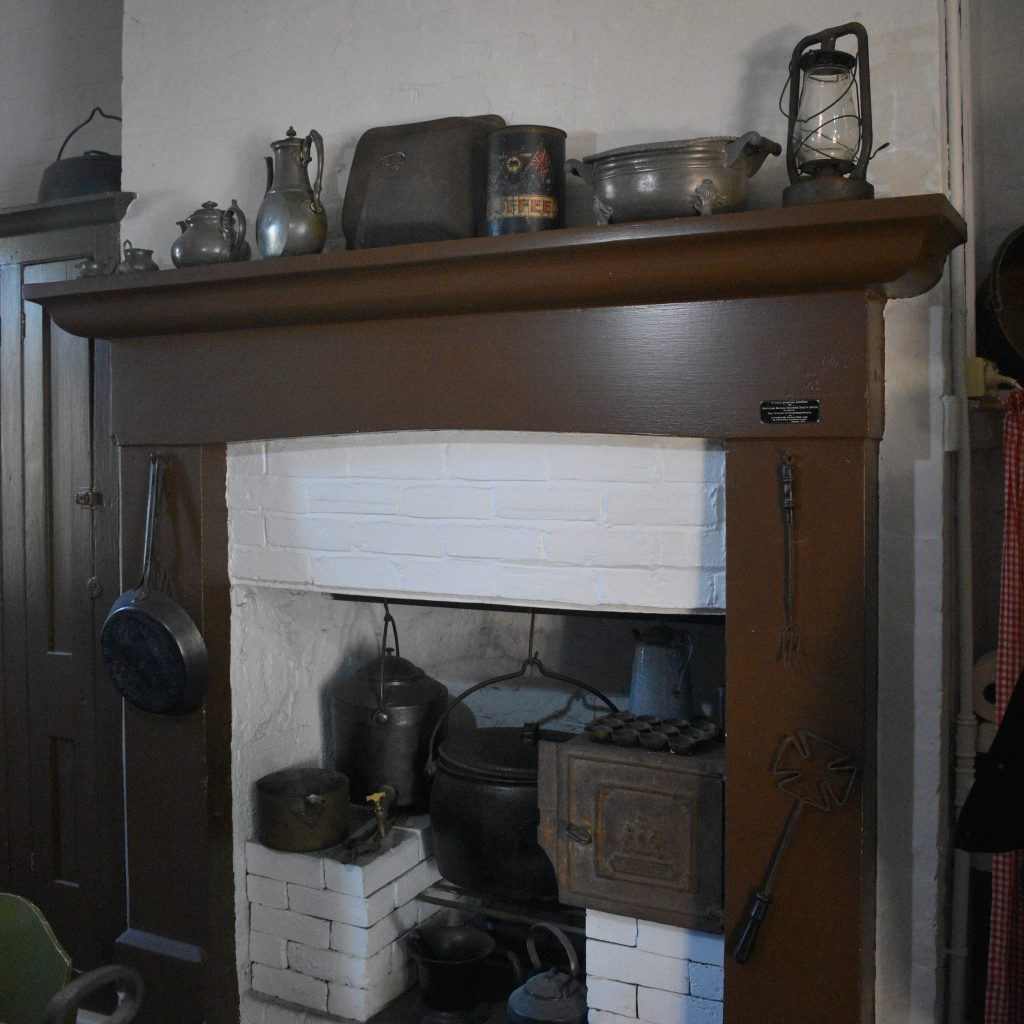
I think the most important part of the house was probably seeing all of the donated trinkets along the way. It definitely made the house feel like a home instead of just a boring museum. The way the rooms were designed and decorated allowed you to step into the Victorian era as if you were actually living there at the time. I loved seeing all the utensils and methods of doing things back then, like the old toastie flip, and the whole process of churning butter. It really made me think about how things change over time, and what we are doing now that could be seen as odd or primitive in the future. Are our frying pans going to become useless? Will hair straighteners become a thing of the past? It kind of had me messed up for the next few days just thinking about it. It’s really wild how a simple Victorian house can expand your mind like this and have you questioning your own time period and reality.

The upstairs textile room was probably one of my favourites in the house. This is where they showcase historical fashion pieces that aren’t typically related to the house or its time, but they are still just as beautiful. When we were there, they had on show a wedding dress, a groom’s suit, and a bridesmaid’s dress all from 1905. The amount of detail that went into every construction step was astounding. Being someone who enjoys sewing as a hobby, I could appreciate the amount of effort it would have taken for someone to make such pieces, especially in the 1900’s. The colours of the bridesmaid dress were also stunning. You never really see pale greens in wedding themes, or in fashion in general. They also had an old sewing machine! Trust me, if you think present-day sewing machines look complicated, you wouldn’t even want to touch one of these. As you can tell, fashion and textiles is something I love about historical places like these, so this room definitely scratched an itch for me.
One of the rooms upstairs showcased what the school classrooms would have been like when Grossman House was open for Maitland Girls High School. It was set up with old wooden desks and chairs with built-in inkwells, a chalkboard, sports equipment, and the uniform that the students would’ve worn. One of the volunteers guiding us actually went to this school and assured us of how cold the uniform really was to wear. Even through extremely cold winters, the girls could only wear skirts and thin stockings. Because she grew up at Maitland Girls High School, our guide created a personal connection to the schoolroom and the property itself like a living relic. You don’t usually get to meet people who are part of the history you’re learning about, so this was a really unique experience for us. There were also photos and trinkets of Headmistress Grossmann in the schoolroom, as well as learning materials, such as writing slopes to give the classroom an authentic school environment.
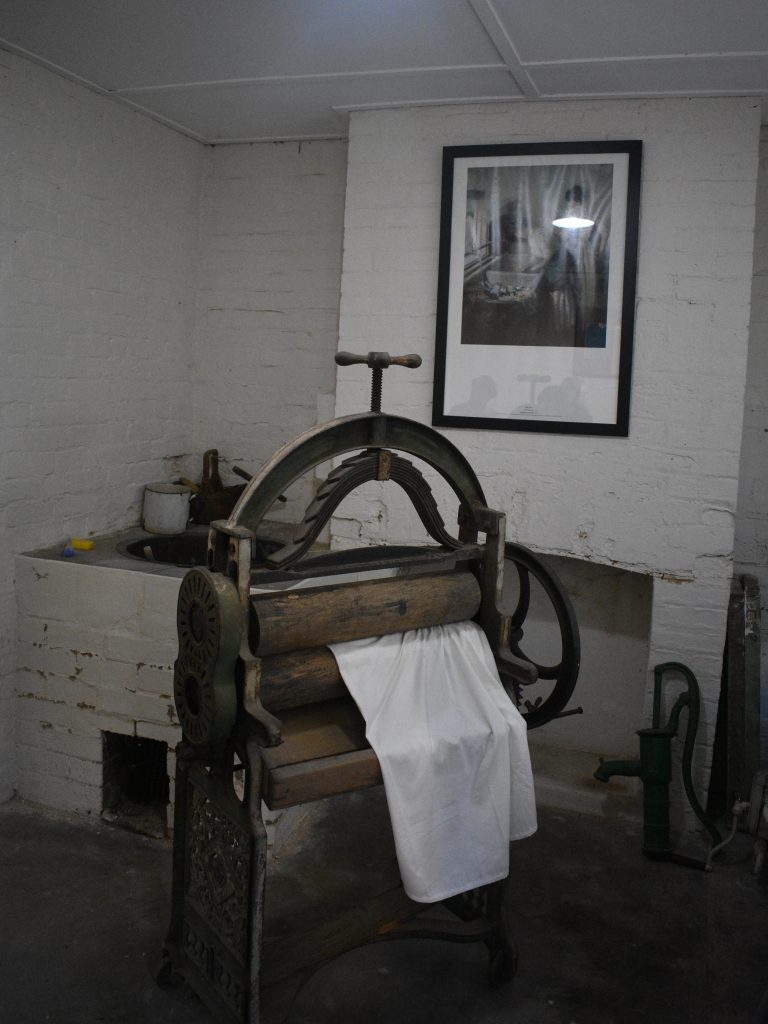
The last room we visited was the outdoor washing and laundry room, where we saw what chores were like in those times. Obviously, it wasn’t as easy as throwing clothes into the washing machine and then into the dryer to let machines do all the work. Everything was done by hand; or by handle. There were so many different appliances for different stages of washing and drying clothes, as well as a table full of old clothes irons. This room was actually really cute. I know that’s weird to say. But to see all the old appliances in person was kind of comforting, like stepping into a simpler time. This “room” was also located in a brick shed in the garden, surrounded by beautiful rose bushes and trees. As much as it would’ve been a chore, I would’ve loved to hang out washing back then in the garden with all the flowers around me, the sun beaming and the birds chirping in the trees.
Museums like these are so important in keeping history alive. Without them, all we have are books and images. We need to be able to step inside the era of time to see, hear, and truly feel (metaphorically of course) what people would have experienced in these times. Something as simple as a Victorian clothes iron can open up the imagination and sense of wonder we have for history. Not everyone learns from simply reading a book or listening to a lecture. People like me need to actually live what we’re learning. Grossmann House allows us to do just that.
All photos in this post are taken by me.
For more information about Grossmann House, visit https://www.nationaltrust.org.au/places/grossmann-brough-house/

 The Travel Journal
Leave a comment